
Craft and Line: Understanding Modern Indian Textiles
An investigation into how traditional hand-spun khadi, raw silk, and indigo dyes are finding new life in modern, structured Western tailoring.

Kabir Mehta
Textile Historian & Stylist
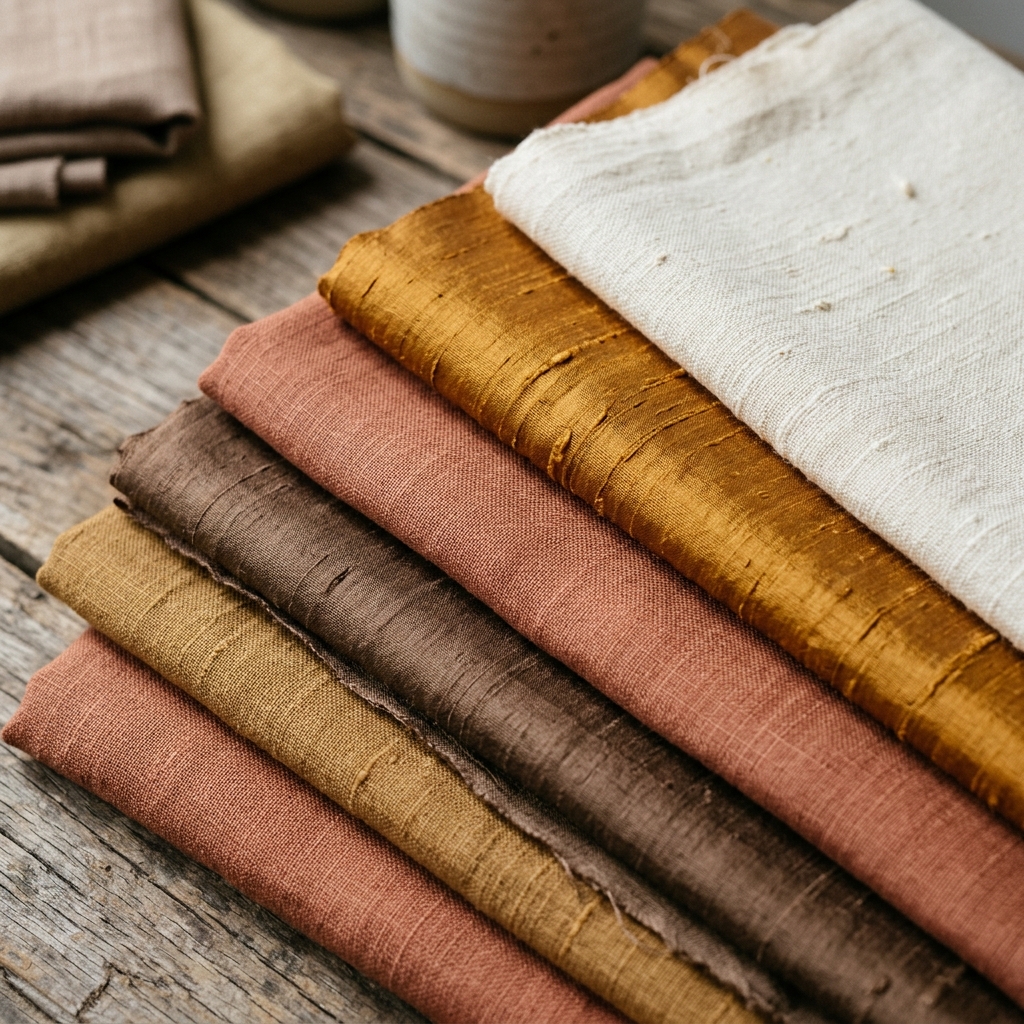
India's textile heritage is a library of textures, techniques, and stories. For generations, hand-loomed fabrics like khadi, tussar silk, and jamdani have been worn in traditional drapes. Today, we are witnessing a quiet revolution: a wave of designers who are using these slow, historical textiles to construct sharp, geometric, and modern western silhouettes.
Traditional khadi, once appreciated mostly for its historical weight, has been re-imagined. Spun by hand with uneven slubs, it has an irregular grain that absorbs light differently than machine-spun fabrics. When used to build a structured double-breasted blazer or sharp high-waisted trousers, the result is a beautiful tension between structural formality and organic hand-made texture.
"Natural dyes, particularly indigo and madder, are also adapting to modern wardrobes. Unlike chemical dyes that create flat, uniform surfaces, natural dyes live and breathe. They fade beautifully over time, developing unique creases and gradients that reflect the wearer's life. This makes each piece intensely personal."
To style these heritage textiles in a contemporary way, the key is balance. Pair a hand-woven silk shirt with clean, modern trousers, or wear a structured khadi blazer over a sleek knit dress. By juxtaposing the raw, textured quality of handloom with the smooth finish of modern tailoring, you create an ensemble that is rich, layered, and unmistakably premium.